Rather than being associated with a single mechanism, the peptide appears to interact with multiple signaling pathways that influence how tissues respond to stress and structural disruption
This work was supported by the Wilmot Cancer Institute Predoctoral Fellowship (to G.A.), the American Association for Cancer Research and Breast Cancer Research Foundation (20-20-26-HARR to I.S.H.), the Breast Cancer Coalition of Rochester (to I.S.H.), the American Cancer Society (RSG-23-971782-01-TBE to I.S.H.), the Ludwig Center for Metastasis Research (to A.M.), the University of Chicago Comprehensive Cancer Center (to A.M.), the Cancer Research Foundation (to A.M.), the V Foundation (to A.M.), the Pancreatic Cancer Action Network (to G.C.), the Lung Cancer Research Foundation (to J.C.), and NIH grants R01CA269813 (to I.S.H.), R01CA269813-S1 (to M.Z.), R37CA230042 (to G.M.D.), R24AA022057 (to V.V.), R01AA028859 (to Y.C.), R01CA276461 (to A.M.), T32CA009594 and F31CA278362 (to C.S.), and AI150698 (to J.M.)
We also explore the role of global collaboration and policy strategies to address PDs escalating prevalence and unmet clinical needs, especially in resource-limited settings
Elife 7, e38472






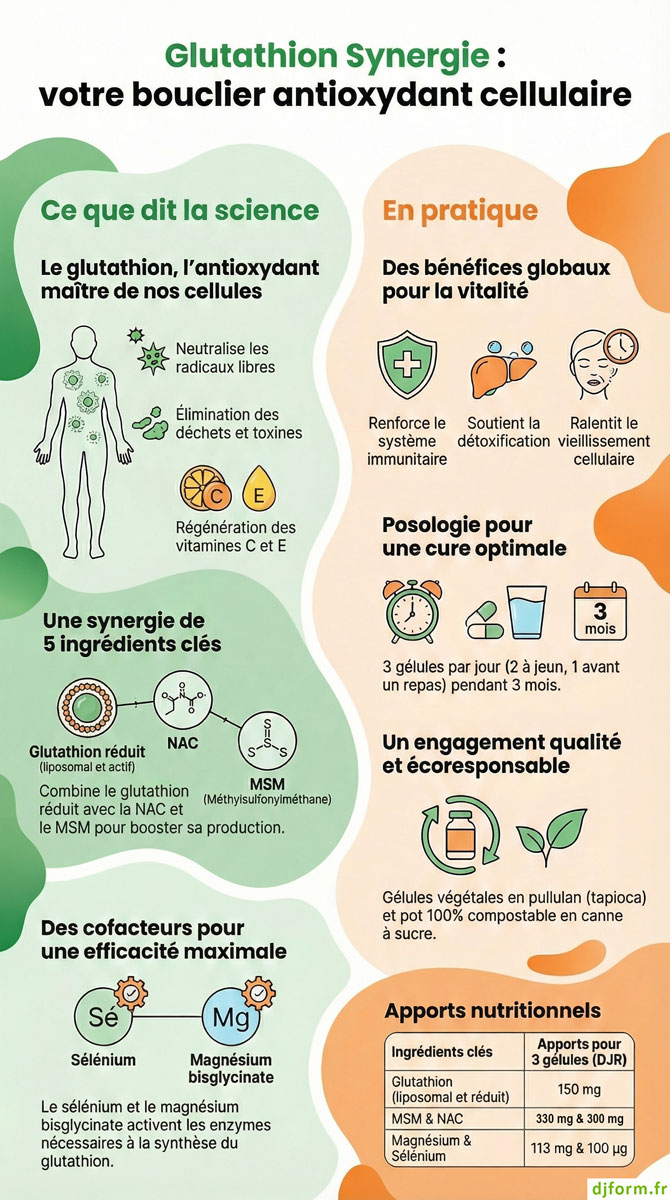

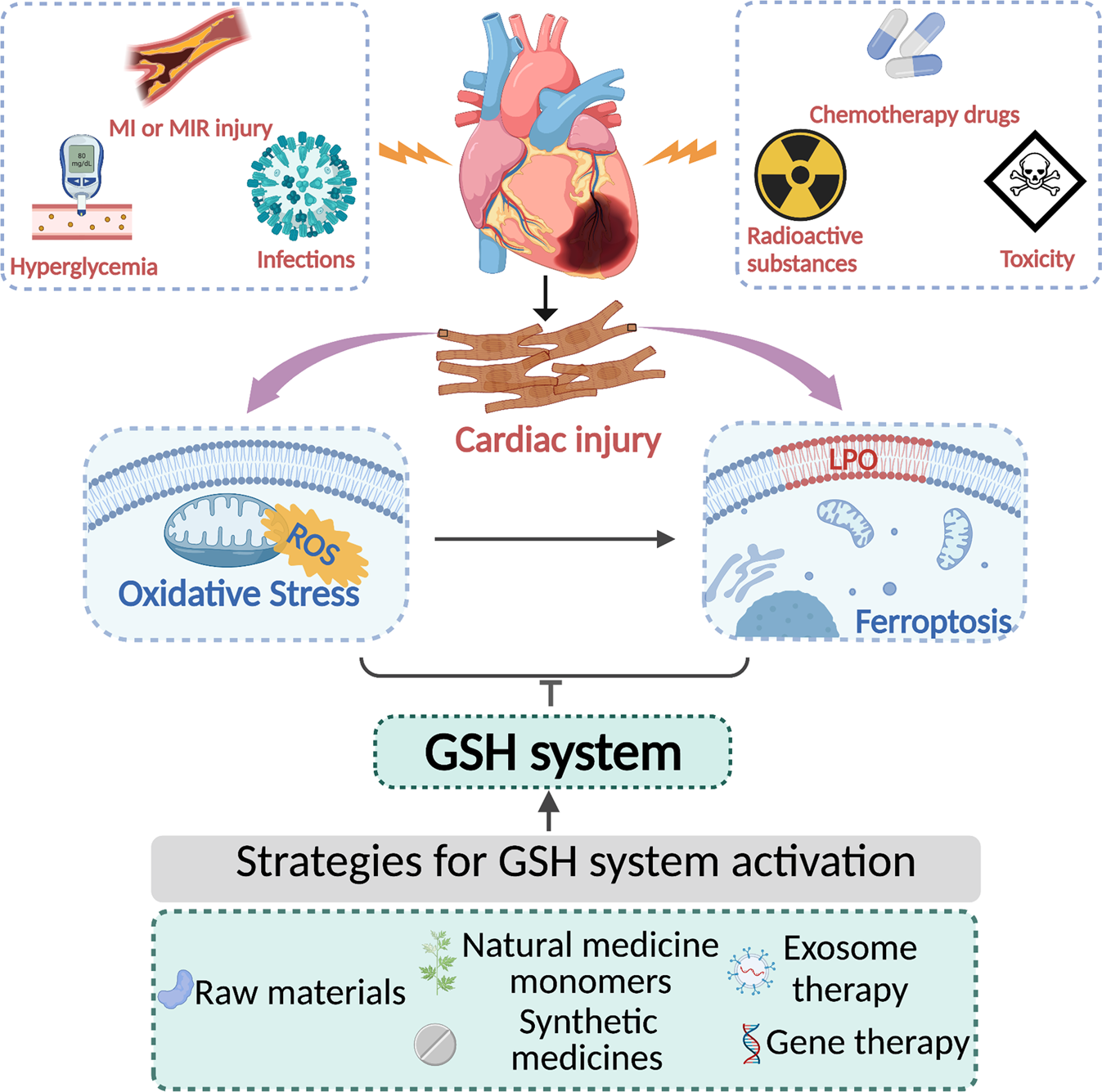
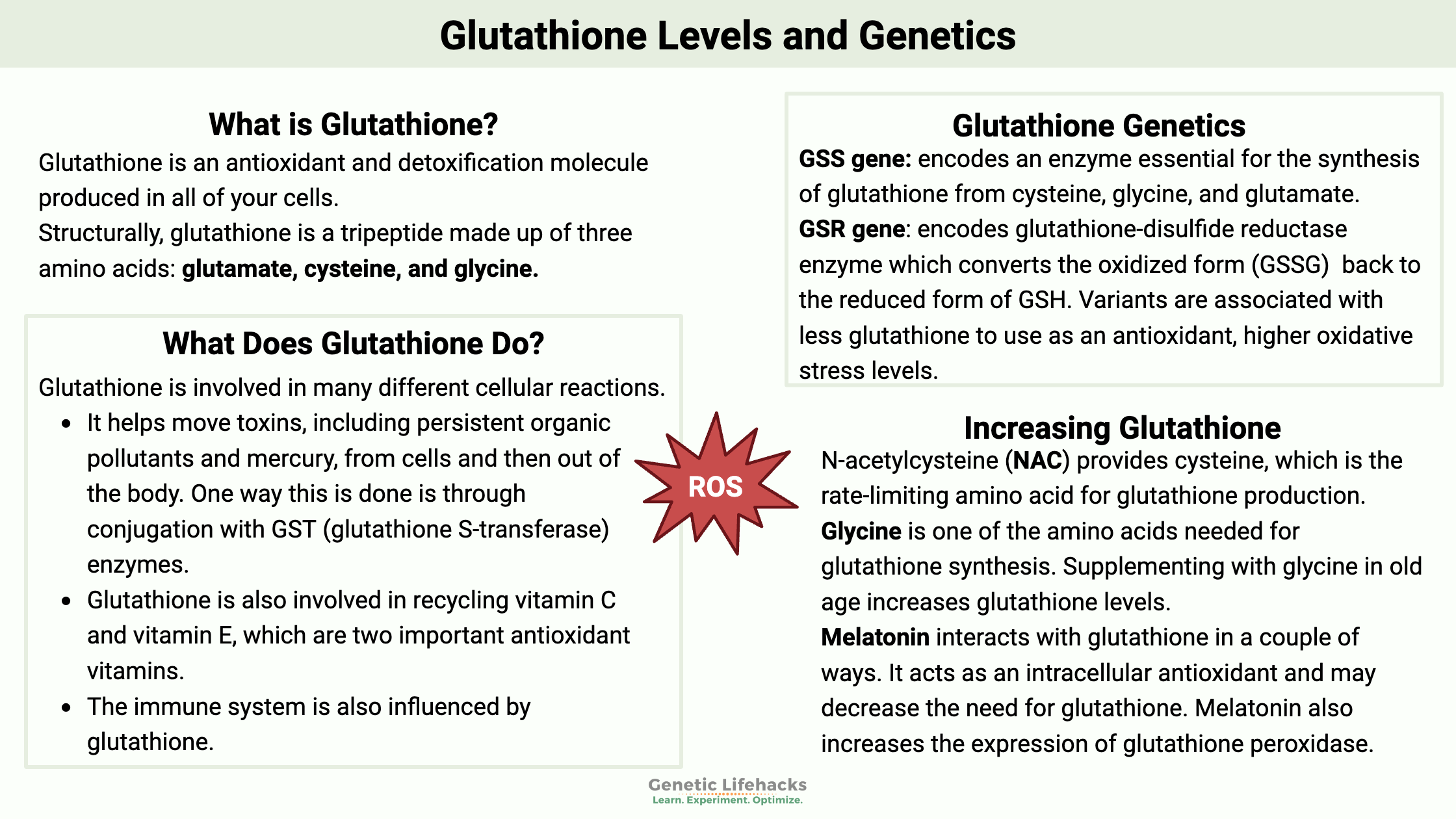
:max_bytes(150000):strip_icc()/benefits-of-glutathione-89457_final-01-502464fe91b2444285b0cccf8cb0a33c.png)