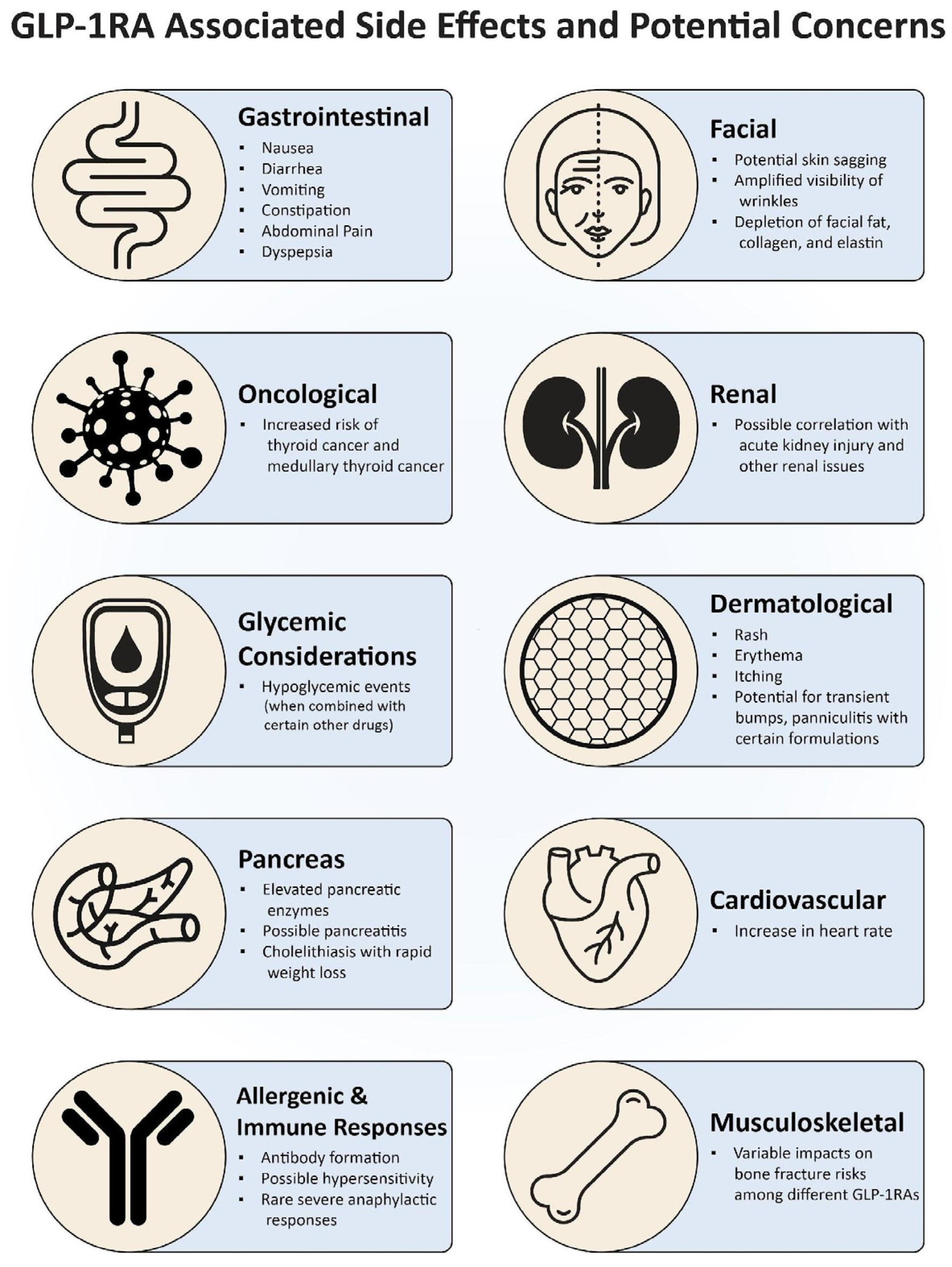
Contact your GP or prescribing clinician if : Leg cramps are severe, persistent, or worsening despite hydration and dietary adjustments You experience difficulty walking or performing daily activities due to cramping or muscle pain Cramps are associated with other concerning symptoms such as dizziness or palpitations Seek urgent same-day medical assessment if : Cramps are accompanied by significant muscle weakness, swelling, redness, or warmth in one leg, which could indicate deep vein thrombosis (DVT) You experience numbness, tingling, or loss of sensation in your legs, which may suggest nerve involvement Call 999 or go to A&E immediately if : You develop chest pain or sudden shortness of breath (possible pulmonary embolism) You have severe, persistent abdominal pain radiating to the back, with nausea and vomiting (possible pancreatitis) Your GP may wish to perform a clinical assessment and arrange investigations, such as blood tests to check electrolyte levels (sodium, potassium, magnesium, calcium), renal function, and thyroid function, as abnormalities in these areas can contribute to muscle cramps

Research Disclaimer Bacteriostatic Water (Pfizer) 30mL is intended exclusively for laboratory research, analytical testing, and peptide reconstitution applications
Frequently Asked Questions How long will it take before I feel better
I was confident in my decision in Dr