This revelation has profound implications, suggesting the viability of employing the plant as a natural reservoir for GR inhibition, offering a compelling alternative to conventional synthetic pharmaceutical interventions
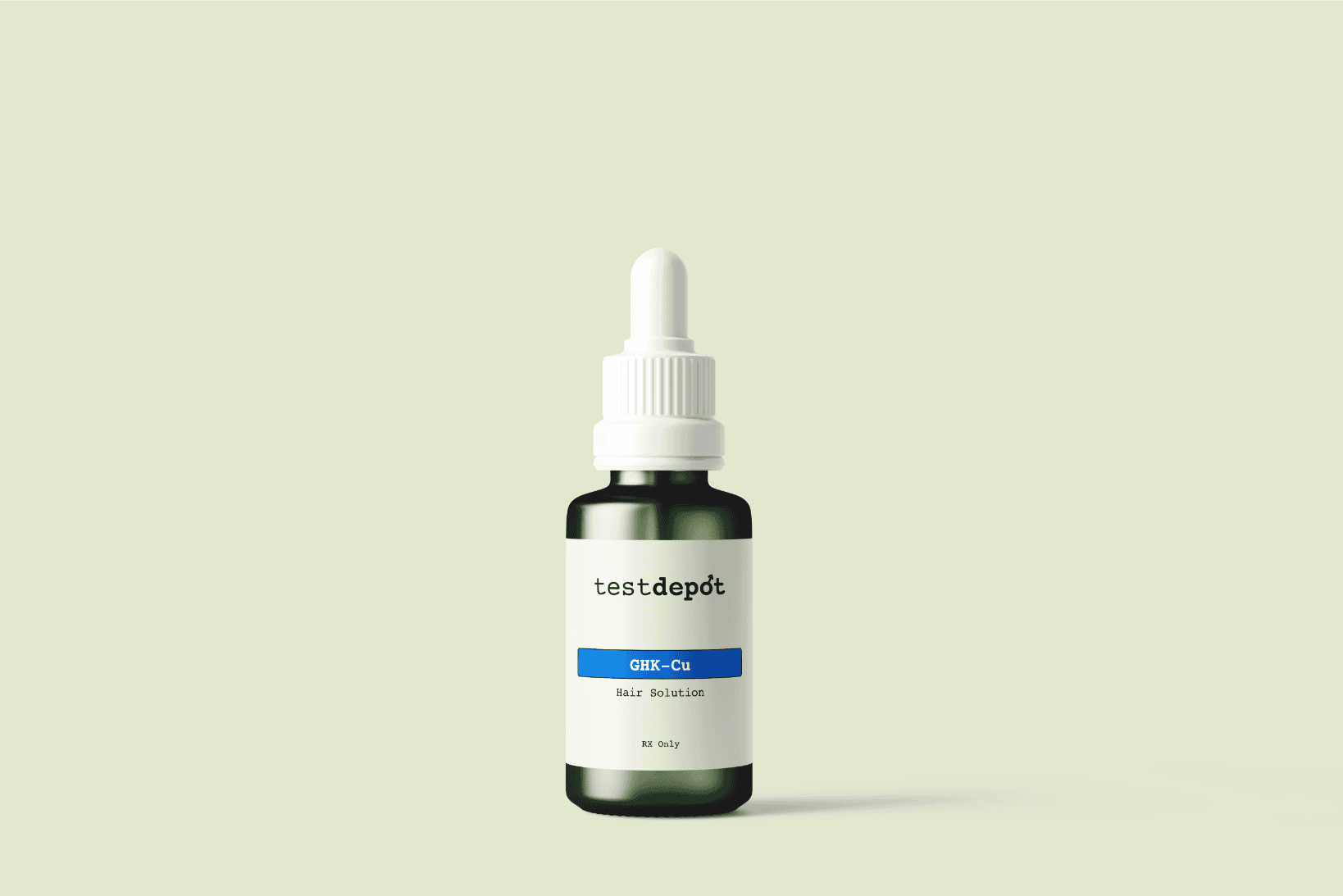
However, as reassuring as all of this is, there are a couple of things to remain mindful of: Copper toxicity Because GHK-Cu contains copper, it does pose a potential risk of copper toxicity,12 the symptoms of which include abdominal pain, vomiting, chest pain, chills, cough, fever, general weakness, anemia, burning sensations, tremors, and a metallic taste in the mouth.13 The risk is small, as the concentrations of copper in the peptide are typically well within safe parameters, but its good to be aware of it
Obesity Reviews , 25(11), e13817
Researchers continue to investigate its biological activity across a range of experimental models