Daily targets: Sodium: 2,500-3,000mg with medical guidance Potassium: 4,700mg or more with medical monitoring Magnesium glycinate: 350mg supplemental (upper limit) Calcium citrate: 1,000-1,200mg supplemental (divided doses) Vitamin D: 2,000 IU daily Oral rehydration solution (ORS): As needed after each episode of fluid loss Implementation: Sip ORS continuously throughout the day Small frequent electrolyte doses rather than large single doses Bone broth as tolerated between meals Magnesium and calcium in divided doses to maximize absorption Daily symptom tracking including fluid intake, urine color, and episodes of vomiting or diarrhea Contact provider if unable to keep fluids down for more than 24 hours If you are on Protocol 3, talk to your healthcare provider about whether a dose adjustment is appropriate
Hyperuricemia and Its Association With the Severity and Complications of Congestive Heart Failure: A Systematic Review
Thyroid-related symptoms requiring urgent GP consultation include: A palpable lump or swelling in the neck that persists or enlarges Persistent hoarseness or voice changes lasting more than two weeks Difficulty swallowing (dysphagia) or a sensation of pressure in the neck Unexplained shortness of breath or stridor Persistent cough without other respiratory symptoms These symptoms may indicate thyroid pathology requiring investigation, though they are not specific to medullary thyroid carcinoma and may have benign causes
Trends in self-perceived weight status, weight loss attempts, and weight loss strategies among adults in the United States, 1999-2016

















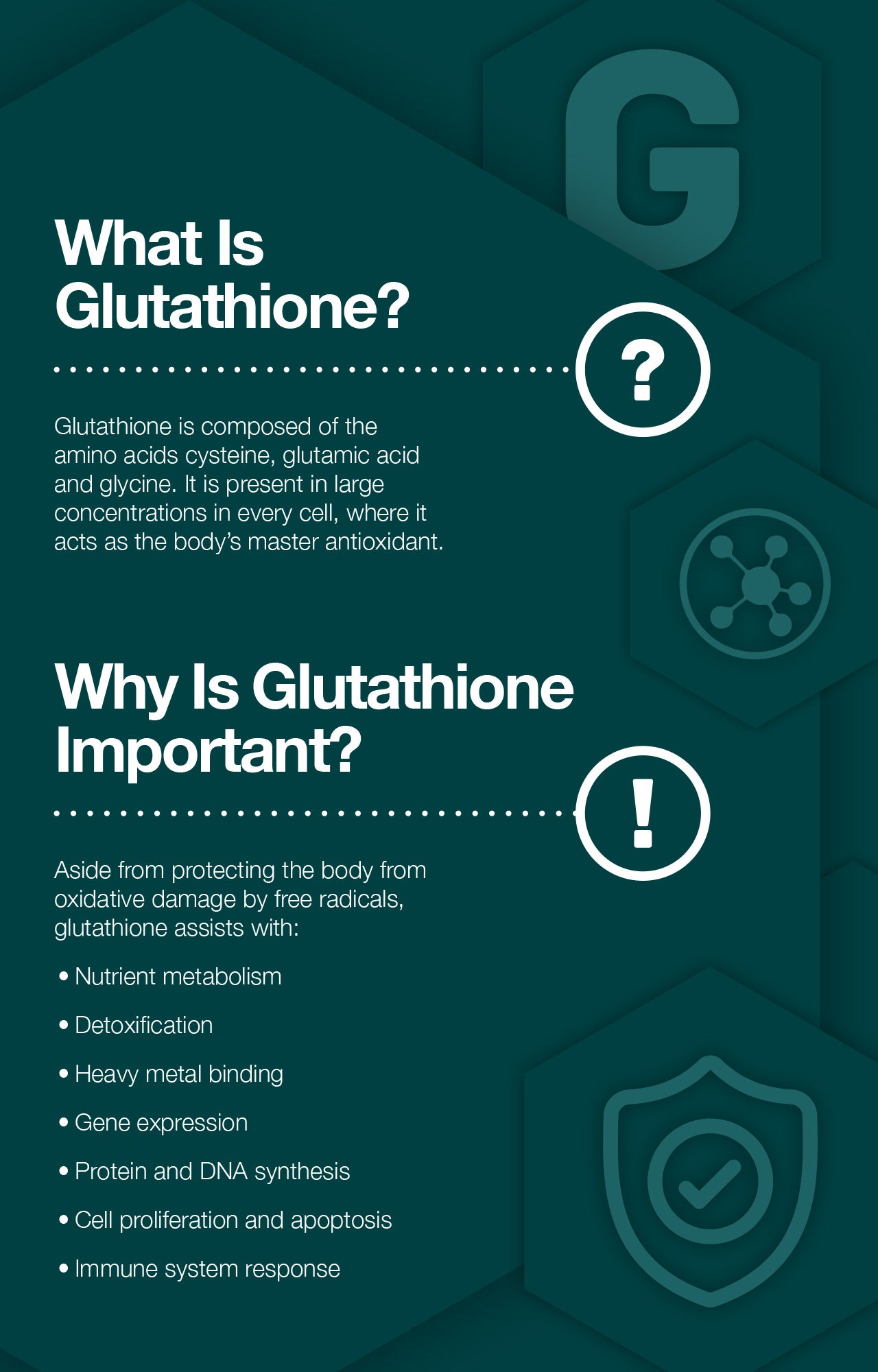
:max_bytes(150000):strip_icc()/benefits-of-glutathione-89457_final-01-502464fe91b2444285b0cccf8cb0a33c.png)