For patients with autoimmune conditions like psoriasis, MSCs may help by: Regulating overactive immune responses Reducing inflammation throughout the body Supporting the repair of damaged skin tissue Encouraging a more balanced immune environment By calming the immune system without shutting it down entirelyas some medications doMSCs may offer a more natural, long-term approach to managing psoriasis symptoms

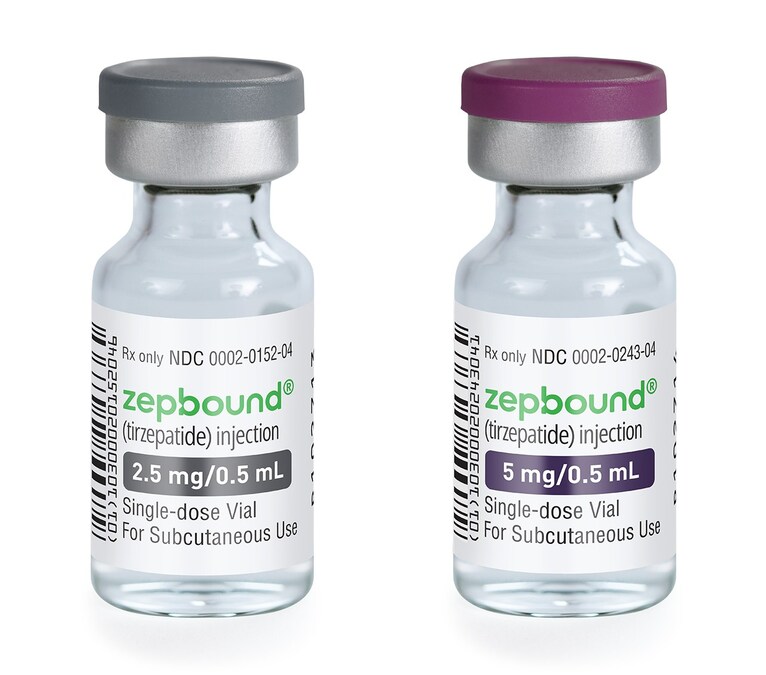
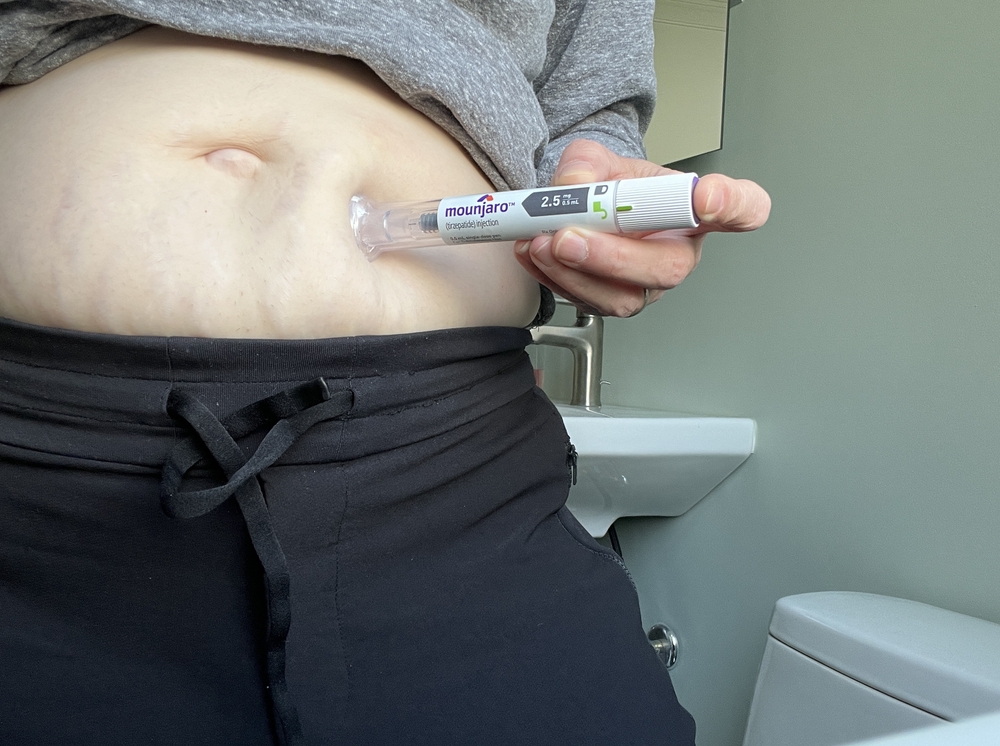
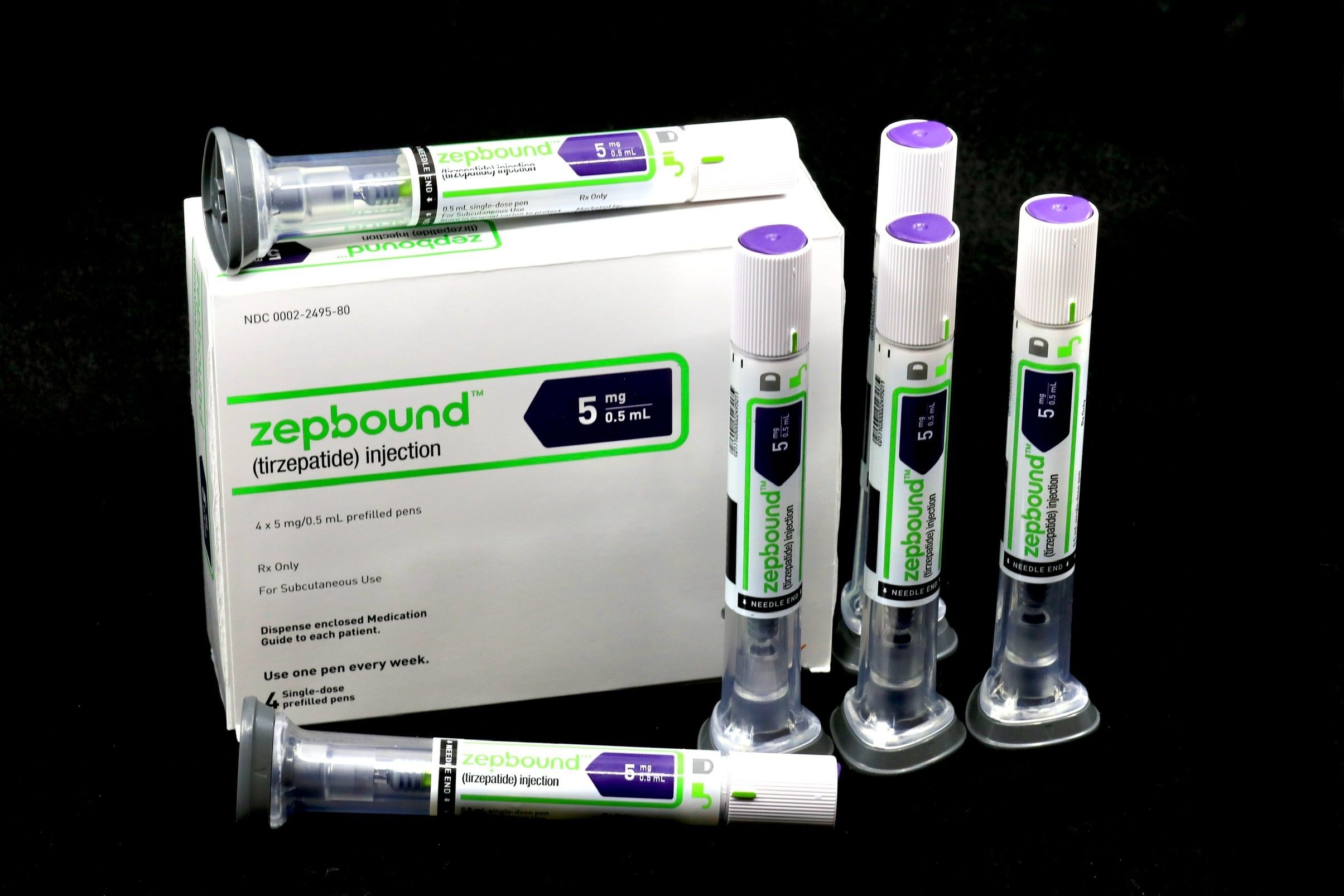
1 Introduction The escalating prevalence of obesity and type 2 diabetes (T2D) has resulted in significant disability, exorbitant complications and even reduced life expectancy ( Obesity is the strongest risk factor for T2D as it causes insulin resistance, a key driver in development of T2D ( Given the strong association between obesity and T2D, weight loss in people with T2D may have favourable effects on glycaemic control, insulin sensitivity and cardiovascular-metabolic comorbidities ( In recent years, glucagon-like peptide-1 receptor analogues (GLP-1 RAs) has revolutionised the treatment of T2D, as they have shown remarkable efficacy in reducing blood glucose levels while promoting substantial weight loss and weight maintenance, allowing for improved disease management ( Glucose-dependent insulinotropic polypeptide (GIP) is the other major incretin hormone ( Tirzepatide, a novel dual agonist of GIP and GLP-1 receptors, is currently undergoing development for the management of T2D and obesity ( To date, only one systematic review and meta-analysis has examined the association between tirzepatide and pancreatitis and cholelithiasis, and its results were limited to cholelithiasis and did not include other biliary or gallbladder diseases such as cholecystitis and cholangitis

CPT1A can also protect cells from apoptosis by clearing the cytoplasmic long-chain fatty acyl-CoA such as palmitoyl-CoA, and thus impede the production of palmitate/palmitoyl-CoA/ceramide involved in the apoptosis pathway activation 31
After 4 months rehabilitation, there was increase in appendicular muscle mass